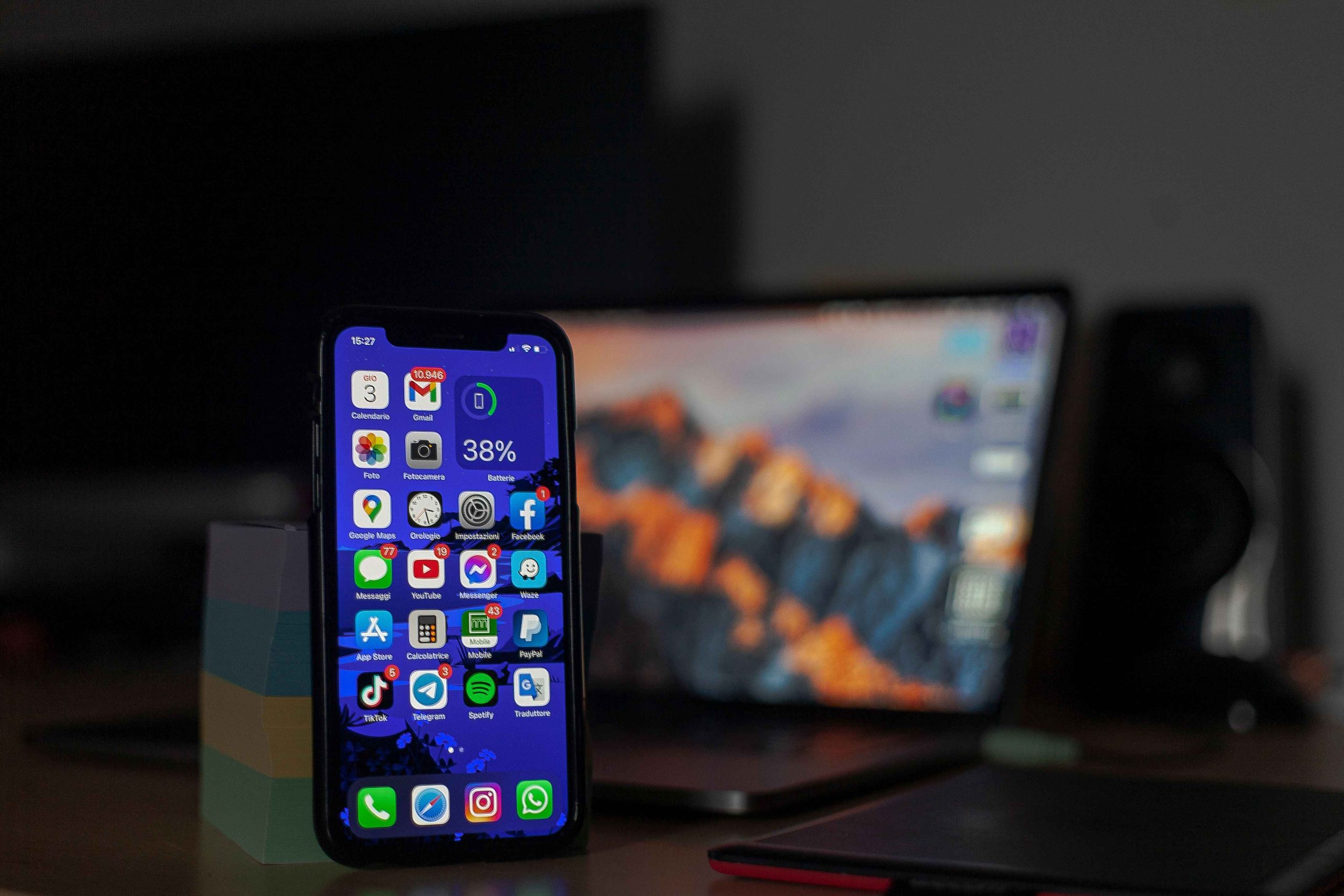
A mobile app can help a business in many ways. Such as taking bookings, payment processes, managing your people, selling the products, or also for many making good business contacts. All in all, mobile apps do make your life easy, but the development of a mobile app.
From here, a custom mobile app development company comes into play. Their team of professionals manages everything from A to Z until your vision comes to life. The exact services depend on your project requirement and needs before development begins.
What Is Custom Mobile App Development?
Custom mobile app development means creating an application specifically around a business’s requirements instead of relying on a generic solution.
A custom app can be designed around your:
- Business workflows
- Target audience
- Brand identity
- Required features
- Third-party systems
- Security requirements
- Growth plans
For example, a food delivery business may need restaurant dashboards, customer accounts, delivery tracking, online payments, and real-time notifications. A property company may require property listings, viewing requests, agent communication, and document management.
The development approach changes according to the product.
What Services Does a Custom Mobile App Development Company Offer?
A full-service mobile app development partner provides you with support at several stages of the application lifecycle. These services usually include strategy, design, development, integration, testing, deployment, and maintenance.
- Mobile App Strategy and Consulting
Development should begin with a clear product strategy. A custom development company can assist you in turning your business idea into a practical and technical roadmap. This could involve considering your target users, defining the app’s core functions, researching competitors, and identifying the right custom mobile app development strategy.
Strategic services can include:
- Product discovery
- Market and competitor research
- Feature planning
- Technical consultation
- MVP planning
- Platform selection
- Technology recommendations
- Development roadmaps
This stage helps separate essential features from additions that can be introduced later.
- UI and UX Design
Users judge an app through the experience it provides. Confusing navigation or unnecessary steps can make even a technically advanced application difficult to use.
Custom app development companies can create the application’s interface and user experience around specific user journeys.
Design services may include:
- User flow mapping
- Wireframes
- Interactive prototypes
- UI design
- Design systems
- Navigation architecture
- Usability testing
- Responsive interface design
The goal is not simply to make the application look attractive. It is to make important actions easy to understand and complete.
- iOS App Development
A custom mobile app development company may develop native applications made for Apple’s ecosystem. IOS development could provide you with support for features. Such as user authentication, push notifications, location services, payments, in-app purchases, and third-party integrations.
With the native IOS app development, you will also get closer control over platform-specific functionality and performance. Businesses targeting Apple users develop an application around the conventions and technical requirements of iOS ecosystem.
- Android App Development
Android development allows businesses to reach users across a wide range of devices and manufacturers.
A custom development team can build Android applications with features such as:
- User registration
- Push notifications
- Location tracking
- Payment processing
- Messaging
- Product catalogs
- Booking systems
- Account management
Android projects also require consideration of different devices, screen sizes, operating system versions, and hardware capabilities.
- Cross-Platform App Development
Businesses that want to serve both iOS and Android users may consider cross-platform development.
Frameworks such as Flutter and React Native can allow teams to develop applications that share significant portions of their codebase across platforms.
This approach can be useful when a project requires:
- iOS and Android applications
- Consistent user experiences
- Faster development cycles
- Shared application logic
- Simplified maintenance
The best approach depends on the project’s features and technical requirements. A development partner can evaluate the product before recommending native or cross-platform development.
- Backend Development
The mobile interface is only one part of an application. The backend manages the data and processes that power the app. It can handle authentication, databases, business logic, user permissions, transactions, and communication between different systems.
Backend services can include:
- Database development
- Server-side programming
- API development
- Cloud infrastructure
- User authentication
- Data management
- Admin dashboards
- Business logic
For example, when a customer places an order, the backend may process the request, update inventory, trigger payment processing, notify the business, and update the customer’s order status.
- API and Third-Party Integrations
Most modern applications need to communicate with other platforms. A custom mobile app development company can integrate external services through APIs and other technical connections.
Common integrations include:
- Payment gateways
- Google Maps and location services
- CRM platforms
- ERP systems
- Social login
- Cloud platforms
- Analytics tools
- Communication systems
- Marketing platforms
These integrations allow your app to work with the tools your business already uses.
- Mobile App Testing and Quality Assurance
A mobile application must be treated and tested across different conditions before reaches to users. Quality assurance teams could check functionality, performance, and security, usability, and devices compatibilities of phone.
Testing may cover:
- Registration and login
- Forms and navigation
- Payments
- Push notifications
- API responses
- Different devices
- Network interruptions
- Permissions
- Data synchronization
- Application performance
Testing helps identify problems before they affect customers and can reduce costly fixes after launch.
- App Deployment and Store Submission
Launching an application requires more than completing the code. Development companies can prepare the application for distribution through the relevant app stores. This may include production builds, technical configurations, store assets, privacy information, and submission support.
For businesses launching on both major platforms, the team may manage separate release requirements for iOS and Android.
A structured deployment process also helps ensure the production version matches the tested application.
- Mobile App Security
Security should be considered throughout the development process, particularly when an application handles personal, financial, or business information.
Depending on the application, security services may involve:
- Secure authentication
- Encryption
- Access controls
- Secure API communication
- Data protection
- Session management
- Security testing
- Permission management
The specific security requirements depend on the application’s functionality, industry, data, and applicable regulations.
- App Maintenance and Support
Launching an app is not the end of development.
Operating systems receive updates. Third-party APIs change. New devices enter the market. Users also expect new features over time.
Ongoing support may include:
- Bug fixes
- Performance optimization
- Security updates
- OS compatibility updates
- API updates
- Feature improvements
- Technical monitoring
- Application maintenance
A long-term maintenance plan keeps the application functional as the surrounding technology changes.
When Should You Choose Custom App Development?
Custom development can make sense when existing software cannot support your workflows or when your application itself is a core part of the business.
It may be appropriate when you need:
- Unique business functionality
- Specialized customer experiences
- Custom integrations
- Greater control over data
- Scalable architecture
- Proprietary features
- A product designed around specific users
If a standard solution already meets your requirements, however, custom development may not always be necessary. The decision should be based on your business objectives, technical requirements, budget, and long-term product plans.
Key Takeaways
- A custom mobile app development company can handle the complete application lifecycle.
- Services can include strategy, UX design, iOS and Android development, backend development, integrations, testing, deployment, security, and maintenance.
- The right development approach depends on your users, features, platforms, integrations, and growth plans.
Frequently Asked Questions
What does a custom mobile app development company do?
A custom mobile app development company designs and builds applications around specific business requirements. Services can include product strategy, UI and UX design, mobile development, backend development, API integrations, testing, deployment, security, and ongoing maintenance.
How long does custom mobile app development take?
Development time depends on the application’s complexity, number of platforms, features, integrations, design requirements, and testing needs. A basic MVP may require significantly less time than a feature-rich enterprise application.
Should I build an iOS or Android app first?
The decision depends on your target audience, geographic market, business objectives, and device usage among your customers. If both platforms are important, a company can also evaluate whether native or cross-platform development is appropriate.
What is included in custom mobile app development?
A full-service project can include discovery, planning, UI and UX design, frontend development, backend development, API integration, quality assurance, deployment, security, and post-launch maintenance. The final scope should be defined before development begins.
Ready to Build a Mobile App Around Your Business?
The right app starts with the right development strategy. Instead of forcing your business processes into a generic product, custom development allows the application to be planned around your users, workflows, integrations, and growth goals.
If you have an app idea or an existing application that needs improvement, discuss your requirements with a custom mobile app development company and define the features, technology, timeline, and development scope before moving into production.